
Congratulations to Brenda! You’ve won Nooks & Crannies!
Author Interviews

I’ve been working on a YA for…way too long! I know, this is a blog about middle grade books. You don’t want to hear about my YA woes. But lately I’ve been thinking a lot about authors who are well published in one area and then start publishing in a whole new area. Authors such as:
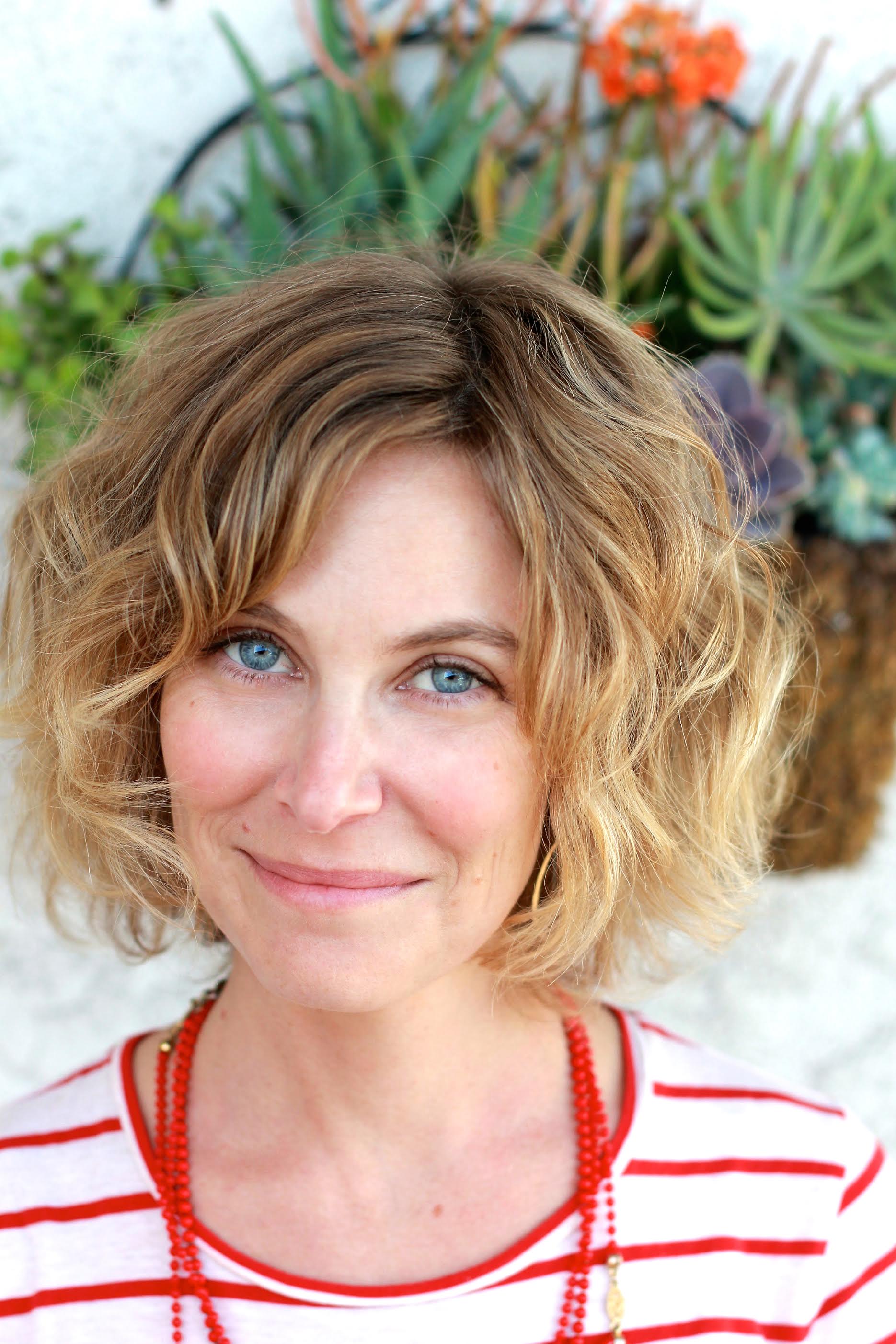
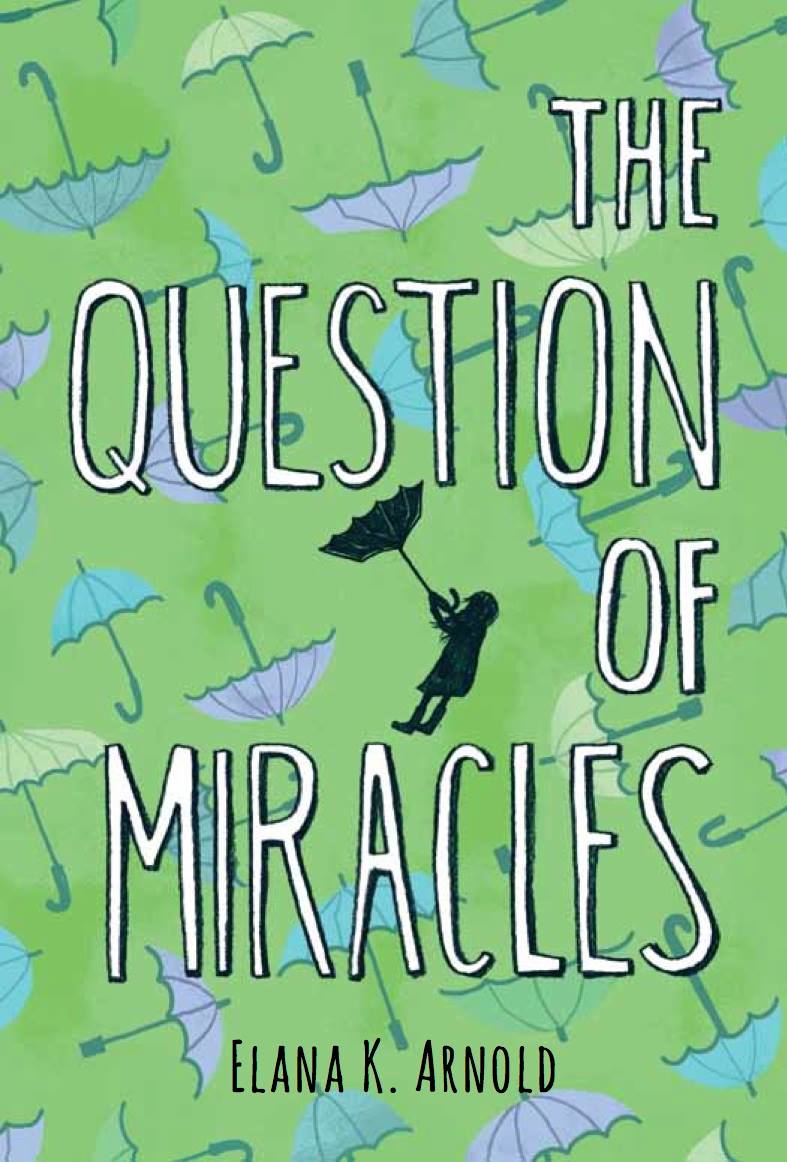
Elana Arnold
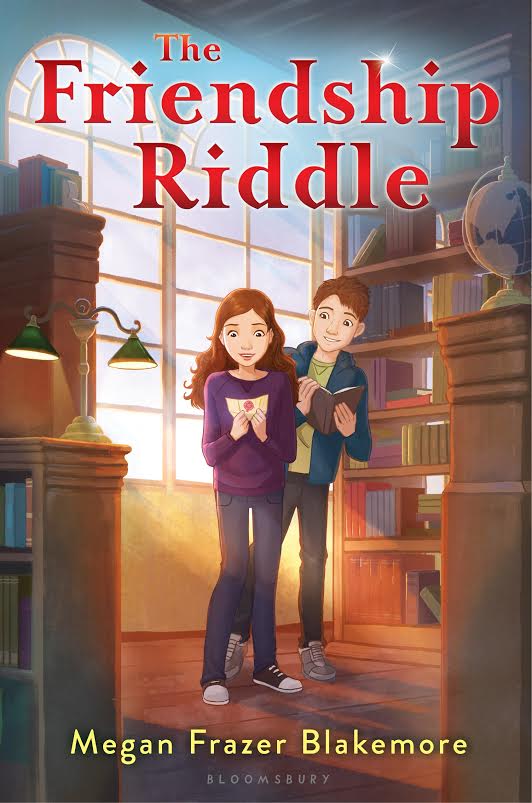
Megan Frazer Blakemore
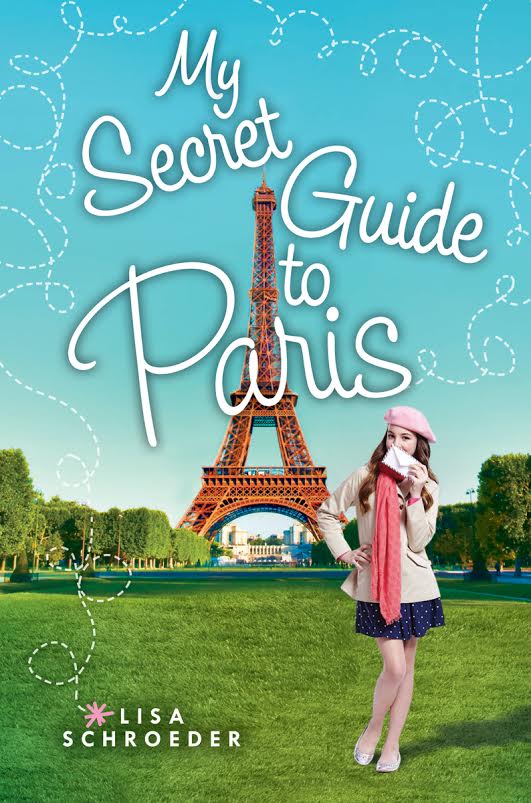
Lisa Schroeder
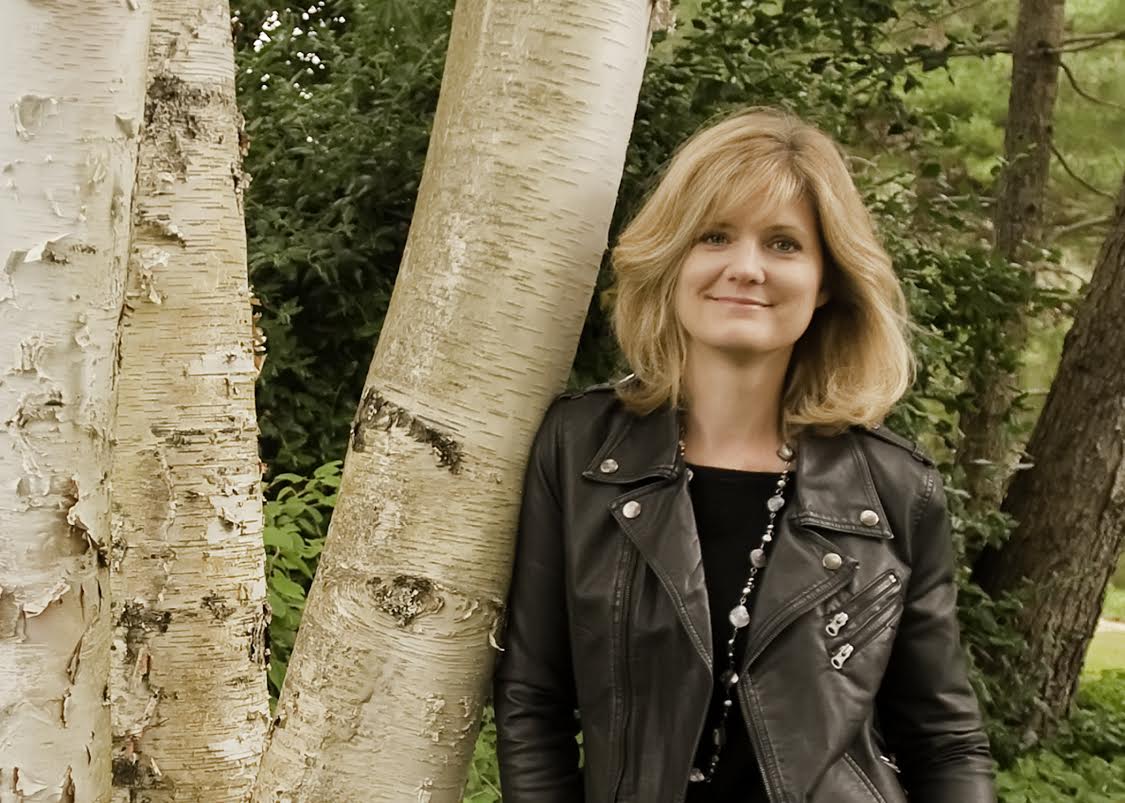
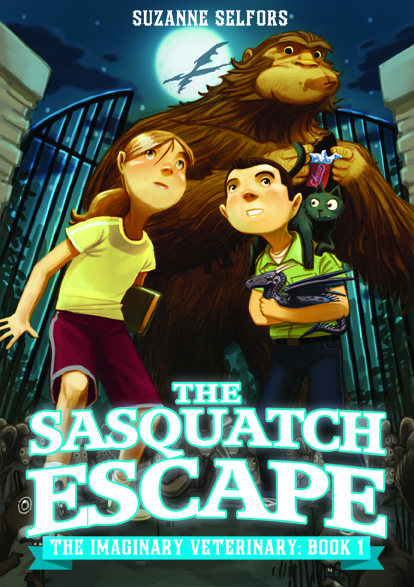
Suzanne Selfors
Elana Arnold, Megan Frazer Blakemore, Lisa Schroeder and Suzanne Selfors are all authors who began their careers publishing YA, but now each of them has a new middle grade out. I was curious about that so I asked them a few questions:
1. Was there anything in particular that prompted you to write a middle grade when you’ve been publishing YA?
Elana: My literary agent is named Rubin Pfeffer. I always call him Rubin Pfeffer, not Rubin, because it is such a fabulous name. One day, Rubin Pfeffer said, “I’d like to see you try your hand at writing a middle grade.” And I thought, I am going to do it, and I am going to blow Rubin Pfeffer’s socks off. Now, this is not necessarily the best reason to write any book, but it is a reason, and it was mine. Of course, as I delved into the manuscript that became THE QUESTION OF MIRACLES, I found many better reasons for moving forward and finishing–my love of the characters, my curiosity about the story, and, deep down and unrecognized to me at the time, my own struggles of coming to terms with the death of a friend, my own fear and anger about death.
Megan: My first book (Secrets of Truth & Beauty) was YA, and when I started working on The Water Castle, I thought it was going to be YA, too. But as the story developed I realized it made more sense for the characters to be younger. I think this is because of the magic and wonder of the story.
Lisa: I’ve always loved middle-grade books. When I think back to my childhood, those are the years I recall vividly, as far as books and reading goes. So I feel like in a way, it’s my first love. After publishing a few YA novels, I really just wanted to write something fun. That’s how IT’S RAINING CUPCAKES came about. It was late 2010, everyone was in a bad mood, it seemed, because the economy was failing, people were losing their jobs, and everywhere you looked it just seemed so gloomy. Since my first three YA novels were pretty sad, I felt like I needed a break from that. And I suppose I could have tried to write a fun YA, but I wanted to write something ten-year-old Lisa would have loved. And ten-year-old Lisa loved to bake!
Suzanne: The first book I published was a MG called To Catch a Mermaid. The deal was a two book contract, so I was supposed to begin writing the second MG, but I had this idea for a YA book and I couldn’t let it go. So before I began my second MG, I wrote Saving Juliet. For the next five years, I alternated – wrote an MG, then a YA, then an MG, etc.
2. Did you face unexpected challenges writing for a middle grade audience?
Elana: Writing for a middle grade audience was not more challenging than writing for a young adult audience in that I try my best to not think about my audience at all when I am writing. I tell myself that it’s none of my business who will read my book. I don’t picture a reader; I write the story I can write. But for some reason, I did feel the need to write THE QUESTION OF MIRACLES in a close third person voice, while all my YA novels so far have been written in the first person.
Megan: At the time I had written only YA and was working in a high school library, so I hadn’t revisted middle grade in a long time and felt a little distant from it. I went back and read old favorites (like From the Mixed-Up Files of Mrs. Basil E. Frankweiler by E.L. Konigsberg) to remind myself of the feeling of reading back then. I also read newer titles like When You Reach Me by Rebecca Stead so I knew more of the current landscape and what was possible.
Lisa: Writing IT’S RAINING CUPCAKES was like taking a deep breath of fresh air. It was just so fun and happy-making. It really wasn’t hard for me at all. I almost feel now, as I look back at the seven YA novels I’ve published and the eight MG novels I’ve published, that I’m probably better suited for MG. The voice, the conflict, the family and friend troubles that occur at that age group, it all comes pretty easily to me. Having said that, I have a strong desire to write a deeper kind of MG, now that I’ve done so many fun ones. I mean, they all have a bit of emotional heft, but I’d love to go deeper and do something more substantial as far as that goes. When I think of some of my favorite MG novels, there is a subtlety about them that is so beautiful in the theme(s) they explore, and when the tender moments happen, you really *feel* them. If that makes sense? I’m thinking of books like BECAUSE OF WINN DIXIE, RULES, and THE ONE AND ONLY IVAN. It is not easy to write a MG novel that kids can enjoy and relate to but is also one that makes you think and feel deeply. Moving forward, I want to try to do more of that. Maybe. Hopefully.
Suzanne: I have to say that middle grade is my sweet spot. I love writing for this age. I think I’m still 12 at heart. These are the most natural books for me and I’d be happy to write for this age for the rest of my life. I’m so proud to call myself a middle grade author.
YA, however, is not such a natural fit for me. I’m not drawn to edgy, or dark. I tend to write about magic and adventure.
3. What do you see as the primary difference(s) between writing for middle grade vs. writing for YA audiences?
Elana: I don’t think there is any topic too big or too small for either a middle grade or a YA audience. The same questions that tugged at me when I was eleven haunted me through my teens and into adulthood. Those questions tug at me now, as a writer, whatever I am writing. And I never try to teach a lesson or impart a moral code. My job–whatever the book, whomever the audience– is to tell the only stories I can tell, as clearly and truthfully as I know how.
Megan: For me, when I write MG I feel more free to follow ideas however magical or whimsical. Writing YA I tend to be more grounded. I must say that this is a personal distinction, and not anything I would consider a rule of YA vs. MG. It’s just what I’ve done so far. I would love to write gorgeous YA magical realism like Laura Ruby’s Bone Gap, but that type of idea hasn’t come to me yet.
Lisa: I think it’s a matter of keeping in mind the issues that those audiences are dealing with, as far as realistic fiction goes, and considering what the younger audience is equipped to handle. Middle-grade readers are just learning that they can have different thoughts, ideas, opinions, and wishes from their family members and friends, and that sometimes that can create conflict between people. It’s not easy trying to figure out how to get along with everyone, especially at school, where you have lots of different kinds of personalities. So it’s learning how to navigate their small world as they are becoming their own person. With YA, they are learning how to navigate the bigger world, the world at large, as they continue to grow and change. Family and friends still play a part in that, of course, but mistakes and/or disagreements usually have bigger consequences. I think there’s also this extreme need for teens to be independent, so when problems occur, they aren’t asking their parents about things, they’re trying to figure it out on their own, and that is not always easy to do.
Suzanne: For me, the biggest difference was….ROMANCE.
When I wrote Saving Juliet, my first YA, my editor called me after reading the first draft and said, “Suzanne, it’s good but where’s the romantic interest?” I was befuddled. The what? “You know, the cute guy. The one she’s in love with. You can’t write YA without some element of romance.” You can’t? Well, that sucks. I didn’t now the first thing about romantic tension. I figured it out, eventually, but it took time.
You don’t need romance in MG. Not one drop. Fourth graders are perfectly happy to read about traveling to an imaginary world and no one has to be crushing on anyone!
4. Do you plan to write more MG?
Elana: Yes, I find that I love working on stories about younger people. My second middle grade novel, FAR FROM FAIR, will be published by Houghton Mifflin Harcourt in the spring of 2016, and I continue to develop ideas about middle grade people as well as teens.
Megan: Yes, definitely. I’m working on revisions for a MG project due out next year from Bloomsbury called The Firefly Five.
Lisa: Yes! I love it too much to stop anytime soon.
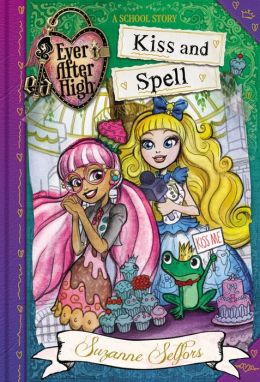
Suzanne: Yes. I just finished book #6, The Fairy Swarm, which will release in Oct, and I am under contract for three more Ever After High books. I’m working on a single title that I hope to sell, maybe this fall. I’m not sure if I’ll write another YA. I haven’t ruled it out entirely. If there’s a story that I can’t ignore, then I’ll write it. But at the moment, my heart and soul are in the middle grade world.
Check out these new middle grade books by Elana, Megan, Lisa and Suzanne!
Share this:

 Caroline Starr Rose is a former history teacher and author of the starred novel in verse, May B. Her new historical middle grade novel Blue Birds (G.P. Putnam’s Sons/Penguin Group USA, 2015) is set in 1587. It’s the honest and gripping story of Alis, one of the unwelcome English settlers on Roanoke Island. Kimi, a member of the Roanoke tribe, has lost both her father and her sister to violent attacks from the colonists. Despite language and mistrust, the two girls find friendship.
MUF: History clearly inspires you. When do you turn from research to story?
CSR: I am not an author who is oozing with plots and characters. Instead I start with an era or event that I want to explore, and I trust ideas will start to grow out of what I’m learning and from the “what if” questions I pose. I need to immerse myself in my study until I feel confident with the material. By the time I start thinking of story, it feels like a natural outgrowth of the history I’ve learned.
MUF: Alis is a brave girl, but also of her time, with chores and children to watch. And yet she is drawn outside of the protection of the settlement to the friend she has made. Tell me about building the tension Alis feels between the two worlds.
CSR: A large part of Alis stems from my exploration of my own experiences as a girl and teen. I moved back to the U.S. at the age of six, after three years in Saudi Arabia. I knew little about my own country or culture and was very much an outsider. My fifteenth year I spent on exchange in Australia. Again, when I came home, what was supposed to be familiar was actually foreign. I wanted to watch a similar tension grow in Alis, wanted her to be drawn into a new world but also come to see her own culture as an outsider might.
MUF: You really capture Alis’ joy in the natural world. I loved the wood carving and learning the word for blue bird, iachawanes. What was your inspiration?
CSR: Author Lucy Maud Montgomery was the inspiration behind Alis’s love of nature. Readers will know her as the author of the Anne Shirley and Emily Starr books. While both these characters deeply love nature, I would argue L.M. Montgomery was even more under its spell. (I’ve read her five-volume journal twice now and plan to do so every ten years. They’ve become a huge part of my writing and reading life.)
Iacháwanes was tricky. I wanted to find an animal indigenous to the Outer Banks that both girls might have encountered and that also had a known Algonquian counterpart. Because the Algonquian dialect the Roanoke and Croatoan spoke is now dead, there were a limited number of words to pick from. The eastern blue bird — iacháwanes — is actually the third bird I picked! When I found Governor John White’s beautiful watercolor (see here), I knew this was the bird my girls connected over.
MUF: You remain true to the terrible and violent history of what happened to both Native people and the white settlers but in a way that won’t frighten young readers. Did you struggle with that?
CSR: An unvarnished picture of history, one that doesn’t try to explain the ugly parts away, is always most impactful. I was worried some of these heartbreaking events might frighten young or especially sensitive readers, but at the same time I knew I couldn’t hide from what really happened. These young characters couldn’t, and I couldn’t do that to my readers, either. That said, I’m happy my publisher chose to label the book as “10 and up” rather than the typical middle grade 8-12.
MUF: There is a demand for diverse books, and yet it’s hard to write across cultures. How did you address describing the Roanoke experience?
CSR: Honestly, it was a very challenging, sometimes scary experience. I’m a non-Native author. I’ve written about two tribes that no longer exist, groups who left no written record and are the subject of very few reference materials. Have I gotten things wrong in some places? I’m almost positive I have. But I tried my very, very best to work with what I knew, as was absolutely my responsibility. It was also important to find a reader from the Lumbee tribe (possibly the modern-day descendants of the Croatoan) who was able to vet my work.
Ultimately, I had to trust my life experiences — I’ve been a girl, I know how profoundly friendship can shape a person — gave me a measure of authority to write about a character far different from me. Writing is a risky endeavor. There’s no room for playing it safe.
MUF: Verse expresses beautifully the connection between Alis and Kimi, especially when there are so few words they share in common. Why did you choose to write in verse?
CSR: I knew from the start this book would be in verse, partly because that’s what I’m comfortable with, partly because I find it such a great way to write historical fiction. Verse gives a reader immediate access to a character and her world. The extraneous is stripped away.
Once I realized the story needed to be told in both girls’ voices, verse added another layer of communication through stanza and line placement on the page. As the girls are drawn together, the words are, too. Verse is magical this way.
MUF: You have a picture book out soon too! Will you continue to write novels in verse?
CSR: Yes! Over in the Wetlands releases this July. Though my next historical novel, a story about the Klondike Gold Rush, is written in prose, I definitely will write verse again. I’m learning to listen to the best way a story can be told. Ideally I figure this out before I begin drafting!
