

I love both science and history, so I was really excited to read books on this month’s list. I confess to being a bit grossed out by some of the mummies, but these books didn’t disappoint. I saw many different aspects of the field of archaeology and learned a lot about the societies and people the archaeologists studied.

Mummies Exposed! by Kerrie Logan Hollihan
This book covers many different types of mummies. While many were purposeful, some were accidental. Through the examples, we learn about the science behind the creation of mummies. Analysis of the Items buried with the mummies gave clues to the type of people they had been and how they spent their time when they were alive.

The Whydah by Martin W. Sandler
The search for the pirate ship Whydah required the study of historical maps and records. These records, along with the artifacts discovered on the shipwreck paint a very different picture of pirates than we’ve come to expect.

Forgotten Bones by Lois Miner Huey
This book looks at what archaeologists have learned about a segment of society whose history has gone largely unwritten. I was fascinated by how much information they were able to glean from the bodies. Customs that left permanent marks on the body helped identify those who grew up in Africa versus those that grew up in America. Scars from injuries helped indicate what types of jobs the people performed. Most amazing was the ability of an artist to create a possible representation of each of the skeletons found using DNA analysis and the structure of the skulls.
Suggested Activities
In true “me” fashion, my brain went into overdrive thinking of activities that would fit well with these books. Here are a few…
Become an Artifact Detective
Archaeologists have to be detectives. They need to use the clues they’ve unearthed to figure out who these people were, how they lived, and what caused them to die. Challenge your class to be detectives, too.
First, have each person represent themselves with things. Have them pick 5 to 10 items that are often found with them. They could be things they carry around with them or wear every day. They could be favorite items or games we might find in their room at home.
To include science in this exercise, have the students describe the items as a scientist would. What is the item made of? What color is it? What are its measurements? Include a sketch or photo of the item. You could even pretend that these things have been buried for centuries. What would degrade and what would stay whole? If it broke into pieces, what would a defining feature be that might give a clue to what the item is?
For the next part, make sure each list doesn’t identify who the items belong to. Instead, use a student number or a nickname like the archaeologists did in the books.
Provide the set of lists to the class. This could be done by posting them around the room or through a virtual message board. Challenge the students to identify which of their classmates belongs with each of the artifact lists.
Once everyone has attempted to identify their classmates based on their artifacts, have each person present their artifacts and explain why they picked the items they did. The students will not only practice deductive reasoning, they’ll also get to know each other better.
Do Some Research
The discoveries described in The Whydah and Forgotten Bones relied upon historical research to help identify what was discovered. In the case of The Whydah, historical records like maps and diaries helped provide the location where excavators should look for the lost ship.
Use these examples to look into where historical records can be found and what kinds of information different documents can provide. This could even include a field trip to a local historical library or National Archives location and a lesson on how to use microfiche.
So many people use these resources – authors, archaeologists, genealogists, historians, lawyers, and more. To make this exercise more relatable, perhaps tie it to research into a local historical figure or genealogical research.
Debate the Issue
In Mummies Exposed! and Forgotten Bones, archaeologists faced cultures that believed burial grounds should remain untouched. After reading one or more of these books, have your students join the debate. Does the knowledge gained from archaeological research outweigh the beliefs that burial grounds should not be disturbed? Is it enough to rebury the bodies once they’ve been studied?
Other Ideas
Time Capsule
It occurred to me that each archaeological dig described in these books is like a time capsule. They capture what life was like for that person or people at the moment in time when they became buried or lost at sea. There are some good ideas here: http://www.timecapsule.com/time-capsule/how-to-make-a-school-time-capsule
Decoding the Past
The Smithsonian Learning Lab has a lesson about how archaeologists interpret artifacts called “Decoding the Past.” If you download the PDF, you will find an article on the subject and worksheets for some related activities. https://learninglab.si.edu/collections/decoding-the-past-the-work-of-archaeologists/AUq5scPw1RXKYyNy
Archaeology Activities
The Society for American Archaeology has a ton of activities for students, including a few about the Iceman (featured in Mummies Exposed!). https://www.saa.org/education-outreach/teaching-archaeology/k-12-activities-resources
I hope you and your students enjoy exploring these books and activities. If you have any suggestions for how you make archaeology and history come alive, please share in the comments below!
 Janet Slingerland loves learning about science, history, nature, and – well, everything – which she then turns into a book. She especially loves visiting living history museums, where the past really comes alive. To find out more about Janet and her books, check out her website: janetsbooks.com
You never know what you’ll find in a museum. Here’s a pic of Janet at the Musician’s Hall of Fame in Nashville, where she found a Slingerland drum head.


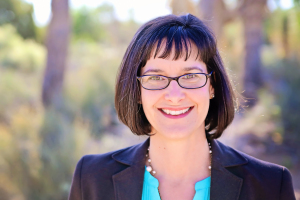


 Carla Mooney loves to explore the world around us and discover the details about how it works. An award-winning author of numerous nonfiction science books for kids and teens, she hopes to spark a healthy curiosity and love of science in today’s young people. Find her at