Today I’m thrilled to be talking with Jessica Lawson, author of THE ACTUAL & TRUTHFUL ADVENTURES OF BECKY THATCHER, and NOOKS & CRANNIES, which releases June 2nd.

Tabitha Crum, a girl with a big imagination and love for mystery novels, receives a mysterious invitation to the country estate of the wealthy but reclusive Countess of Windermere, whose mansion is rumored to be haunted.
There, she finds herself among five other children, none of them sure why they’ve been summoned. But soon, a very big secret will be revealed-a secret that will change their lives forever and put Tabitha’s investigative skills to the test.
What was the genesis for Nooks & Crannies? How did the story idea come to you?
First of all, thanks so much for having me on the blog! I tend to come up with main characters—their situation, their hopes/fears, their voice—before I come up with clear plots. Originally, I had Tabitha Crum’s character being sort of like Anne Shirley, and the story was going to be sort of like Anne of Green Gables in the Lake District of England. But somehow, after months/years of having this girl in the back of my mind, the cottage I had her being sent to turned into a manor house, and the adopting man/woman/couple became a mysterious Countess who was keeping secrets. Before I knew it, five other children were begging to go to the house as well, and then, well, the mystery-in-a-manor house idea was set.
As a big Austen fan, I love that so much of the book is set in the Lake District of England. How did you choose and research the area?
As I mentioned above, my original intentions with Tabitha Crum were for her to be sent to the Lake District as an orphan. I love Beatrix Potter (author/illustrator of Peter Rabbit and other delights), who lived in the Lake District for a time, and thought I might even work her into the narrative. And Jane Austen is one of my favorite authors, so I was familiar with the area from many of her novels. For research, I checked books out of the library, looked up historic village information, and learned about various backgrounds and lifestyles of Lake District residents in the late 1800s and early 1900s. In the early idea stage, I imagined all sorts of outdoor splendor/activities/adventure, but then a nasty snowstorm became part of the plot, ruining any chance of outdoor fun. The setting became the house, which meant that I spent long periods of time looking up historic manor homes in the Lake District, which, as it sounds, was heavenly.
Nooks & Crannies is about a group of kids who receive invitations to a mysterious Countess’s mansion. It reminded me a bit of Charlie and the Chocolate Factory at times. Is that an intentional choice you made?
The book was actually pitched to my publisher as Charlie and the Chocolate Factory meets Clue. When I was drafting, I wasn’t writing an intentional tribute to one of my favorite books by Roald Dahl, but once Tabitha was joined by several other children, the comparison was a bit unavoidable (mysterious invitation, famously reclusive host, etc.). And there is definitely a Veruca Salt-ish character among the children ☺
Yes, there is, and she’s wonderfully drawn. One of my favorite characters in the book is Pemberley, Tabitha’s pet mouse and confidant. (I used to raise mice as a girl. ☺) What was the inspiration behind this character?
Pet sidekicks have always been a favorite with me and, for a girl who sleeps in a musty attic, a mouse seemed like the perfect companion. A clever mouse seemed even better. Tabitha is a big fan of Inspector Pensive novels (my fictional version of books like Sherlock Holmes) and needed an equivalent of the Inspector’s partner, Timothy Tibbs (aka, the Watson of the I.P. books). With Pemberley, Tabitha has a loyal friend and a go-to partner to bounce her ideas/theories off of.
You did a great job with the language of the novel, making not only the characters but the writing itself feel British. How challenging was that for you?
I hope I did an okay job! It was a lot of fun to write ☺ I adore the novels of Charles Dickens (and—some of—the movie adaptations!), and have always been drawn to MG novels with a British voice and setting (from Mary Poppins to The Secret Garden to The Incorrigible Children of Ashton Place books by Maryrose Woods). I’ve always loved British accents and British films/tv. I grew up loving shows like “Are You Being Served?” and Monty Python skits and the like, so my wording may be a bit of a caricature of all of those influences. It may sound odd, but during the writing process I just sort of tried to adopt a British voice in my head and hoped it would sink into the writing.
I really enjoyed the friendship between Oliver (one of the children invited to the mansion) and Tabitha, and think Nooks & Crannies will appeal to boys as well as girls. Could you talk about the importance of boy-girl friendships for middle-graders? How do you feel about books being labeled “boy books” or “girl books” based on the gender of the main character or book cover?
Thank you! I love the friendship between Tabitha and Oliver, too. I think that friendships are very important for middle-graders, regardless of gender, but boy-girl friendships have a special place in the middle grade years. I think they go a long way in showing younger people that physical gender differences do not equal emotional/cognitive and ability/interest-based differences—that no matter if you’re a boy or a girl, you can have similar interests, dreams, problems, and feelings. Stereotypes learned during childhood regarding what each gender is suited to can too often develop into adult gender-based assumptions and prejudices that I’m not so fond of.
As for books being labeled “boy books” or “girl books,” I think booksellers and librarians and teachers and parents are always going to have their own opinion on which books seem more attractive to certain readers, but labeling books according to gender simply because a cover has a boy or girl doesn’t really seem inclusive. Author Shannon Hale has written a series of posts on why it’s important to remember that books like The Princess in Black can be (and are) appealing to both genders, and targeting them toward a single sex can do a disservice to readers.
There are so many fabulous details in this book, making every scene so easy for the reader to visualize. Can you talk to writers about the importance of setting in a novel, and how you create such thorough and satisfying descriptions?
Setting is what grounds the reader in time and place, and without establishing a firm setting (or settings, depending on your novel), plot and character development simply don’t feel as rich or authentic. The setting in this novel is (with the exception of the first few chapters) the manor house. Because the Countess is an eccentric character who travels a lot, I was able to combine style elements and get away with it. I spent lots of time trying to figure out what the furnishings might be, what rooms might be like, what clothing would be worn, what food would be served, and then I threw out a whole bunch of stuff because as much as I’d like to, cramming in every fact you learn never makes for the best world-building. The voice and tone of this book allowed me to take liberties with the setting that I might not have taken if I were doing straight historic fiction, but creating a setting that was authentic and rich for this story was important to me. My favorite details to research were the food dishes, both common and ones that would have been fancier in 1906.
Could you tell us a bit about your current work-in-progress?
Sure! Waiting for Augusta is about an eleven-year-old runaway who travels from Alabama to Georgia in order to make peace with his dead father. It’s a story about miracles, watercolors, knowing yourself, keeping secrets, golf, barbecue, magic, friendship, wanting to make your parents proud, living up to expectations, setting your own expectations, and second chances at connection. The book will be out next summer from Simon & Schuster Books for Young Readers.
It sounds like another fabulous book, Jessica! Congratulations!
Jessica is giving away a signed copy of Nooks & Crannies to one lucky commenter. We’d like to know about a favorite pet you had as a child (real or imaginary) who was a best friend to you. OR, if you’d rather, tell us about your favorite book set in England.
BIO:
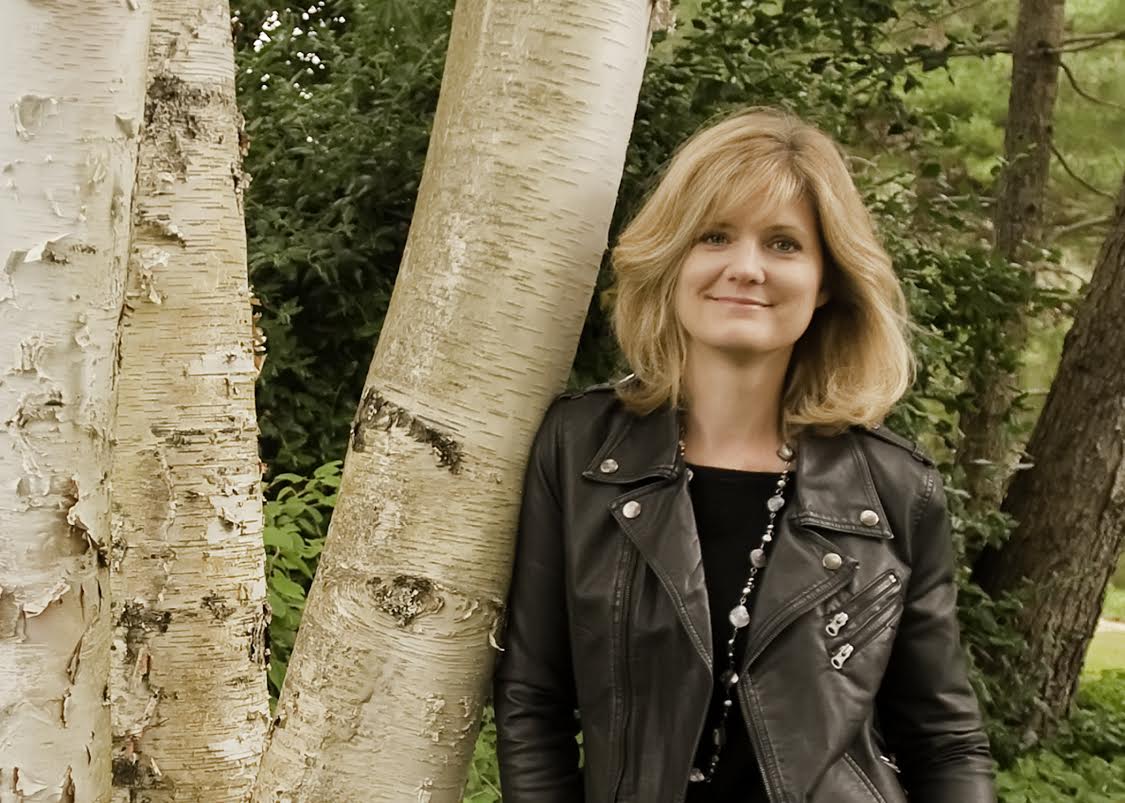
Jessica Lawson does not live in a fancy manor house, but she does deal with mysteries on a daily basis. Most of those mysteries involve missing socks and shadowy dessert disappearances. She lives in Colorado with her husband and children.
LINKS:
Website: http://jessicalawsonbooks.com/
Twitter: https://twitter.com/JS_Lawson
Blog: http://fallingleaflets.blogspot.com/
Facebook: https://www.facebook.com/pages/Jessica-Lawson-Childrens-Author/149125145284531