Posts Tagged teachers

STEM Tuesday — Human Body– In the Classroom


Many of the books in this month’s theme—the fascinating, sometimes gross human body—have fun activities you can try in the classroom. But here are a few more to get students involved and learning about human biology, how it works, and some if its quirkiest parts.


The Museum of Odd Body Leftovers: A Tour of Your Useless Parts, Flaws, and other Weird Bits

written by Rachel Poliquin, illustrated by Clayton Hanmer

A funny, wacky book, led by tour guides Wisdom Tooth and Disappearing Kidney, about our vestigial organs: our body parts that were essential to our ancestors but are no longer useful to us.

Activity

This book seems like the perfect start to some great fiction stories. Encourage students to find their favorite odd body part, use some of the facts they discovered, and then develop a fiction story from there. Imagine there’s a scientist who discovers what that body part if meant to do. Or imagine that the body part is its own character on a mission to find out why it is in the body. Tell students to weave in facts from the book, but to be as creative as they can be. And encourage them to experiment with format: maybe a graphic novel format would work best, maybe lots of dialogue is needed, or maybe a diagram would help. When students are finished, invite them to share with the class what their body part discovered in their fiction story.


It’s Perfectly Normal: Changing Bodies, Growing Up, Sex, Gender and Sexual Health

by Robie H. Harris and Michael Emberley

A book for young people who want answers to questions about their bodies, about growing up, and about new, unfamiliar feelings in their tween years.


Activity

Questions about our bodies can be hard to ask, a little scary even until you know the answers. So encourage students to do their research. Before reading this book, have them jot down any questions they might have about their changing bodies. As they read, tell them to look for answers in the book. And if those answers aren’t in the book, encourage them to research more at the library or on safe online sites. When they are done, have them write an interesting piece of information they discovered on an index card. Post a collection of body facts somewhere in the classroom for students to check out.


The Ultimate Kids’ Guide to Being Super Healthy: What You Need To Know About Nutrition, Exercise, Sleep, Hygiene, Stress, Screen Time, and More 

by Dr. Nina L. Shapiro

Embark on a fact-filled journey through the human body. What happens when it gets fed? Exercised? Cleaned? Rested? Read it and find out. This in-depth book gives answers to those pressing questions between kids and parents about how to take care of yourself and why it is important.

Activity

Now students can be their own health experiment! How does reducing screen time affect how they feel? How does it feel to exercise every day? Tell them to choose a theory they want to test and make a journal to use for a week. They need to complete the activity, gather data, note how they feel each day, and then compile results at the end of the week. Encourage students to make graphs or charts to creatively show their data. Then they can present their findings to the class.


Karen Latchana Kenney is a children’s author and editor who loves creating all kinds of STEM books and classroom content. Find her at https://www.karenlatchanakenney.com/.

Motivate Middle-Grade Readers With Phenomena

As a teacher, I know the importance of getting students interested in a book before they read the first line. When students are motivated to read, it flips the script from a book the teacher is “making me read” to a book “I want to read.” Using a prediction strategy, such as a picture walk (quickly browsing the images in a book), can ramp up student interest.

Yet, have you ever excited students about a book using information not in the book? What if you could share information with your students from outside sources that would activate curiosity and make connections to science or social studies? Count me in for those cross-curricular connections, right?!

Let’s Try the Phenomena Pre-Reading Strategy!

Before we learn about the phenomena pre-reading strategy, take a moment to experience it yourself.

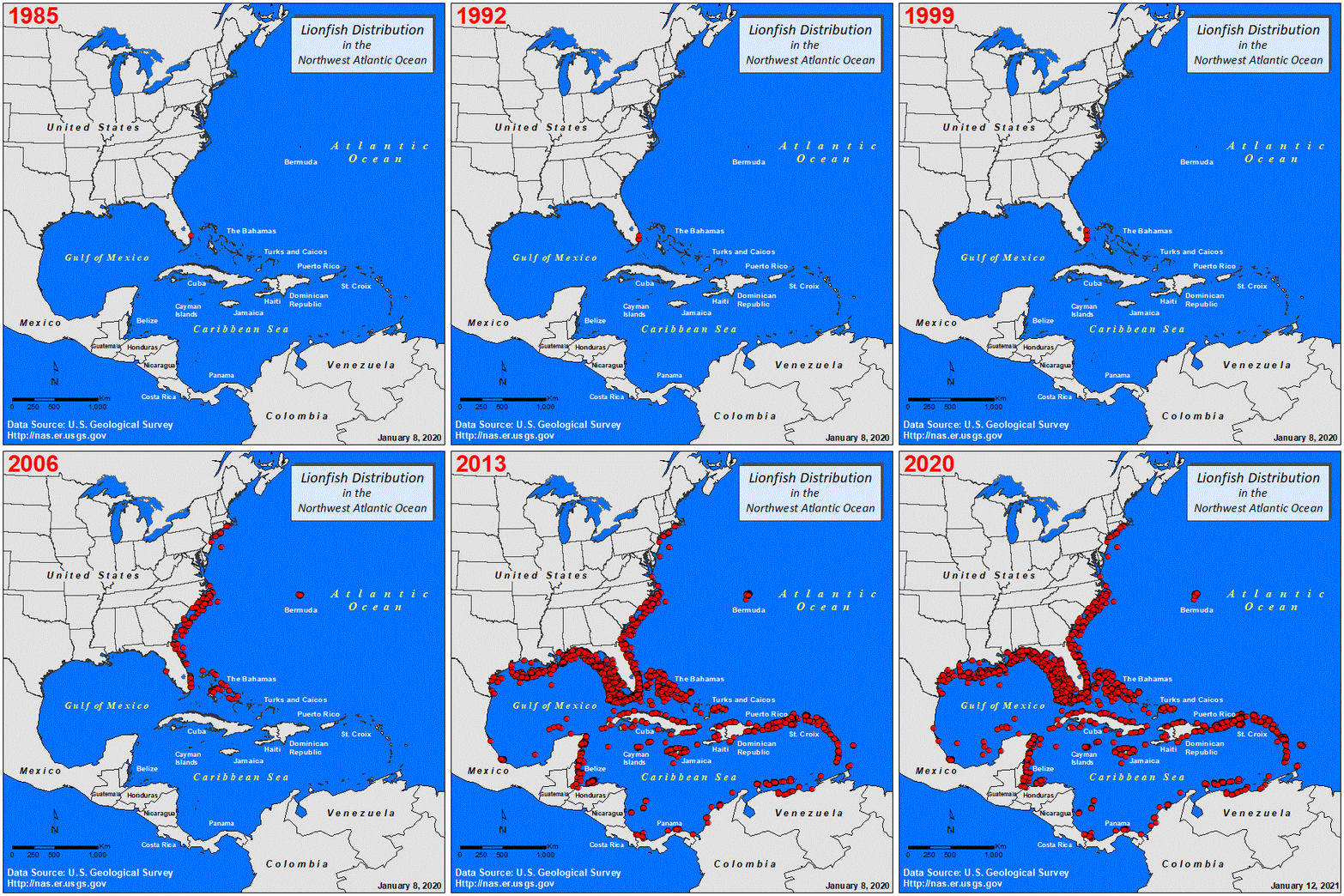
Look at the animated map below. What do you notice? What do you wonder? (If it doesn’t appear in your browser, you can view it here.)


Imagine sharing this map with students and having a notice-and-wonder discussion before reading They Are Here! How Invasive Species Are Spoiling Our Ecosystems by Roland Smith.

How could this type of introduction benefit your students?

What is the Phenomena Pre-Reading Strategy?

Engaging with phenomena, like the lionfish map, is a strategy I use to motivate students to want to read and to prepare them to read, a middle grade book–especially nonfiction. According to the Next Generation Science Standards, “Natural phenomena are observable events that occur in the universe and that we can use our science knowledge to explain or predict.” Snowflakes falling, a python eating a deer, and a plant growing toward light are all natural phenomena. Phenomena occur all around us every day, and a science best practice involves asking our students to “notice and wonder” about those phenomena.

Side Note: “phenomenon” is singular and “phenomena” is plural. I hope someday to not have to stop and think for 10 full seconds about which to use in a particular sentence. Today is not that day.

I apply phenomena best practices during English Language Arts (ELA) by sharing a phenomenon related to the core concept in a nonfiction book before we even crack open the cover. The phenomenon could be a photograph, a video, a map, an audio file, or a graph. Then I simply ask: What do you notice? What do you wonder?

We refer to this as a “notice and wonder routine” in science. The less information you give students and the less you lead them with my questions, the better. This is a time for students to call up their background knowledge and to think deeply about what they are seeing and/or hearing. So, I encourage you to stick with: “What do you notice? What do you wonder?”

You can hold a simple discussion, or you can record student ideas on a chart. While students read, they can refer back to the chart and even add to it when the text answers their questions.

Let’s Review a Few Examples!

Here are a few examples of phenomena introductions paired with middle grade nonfiction:

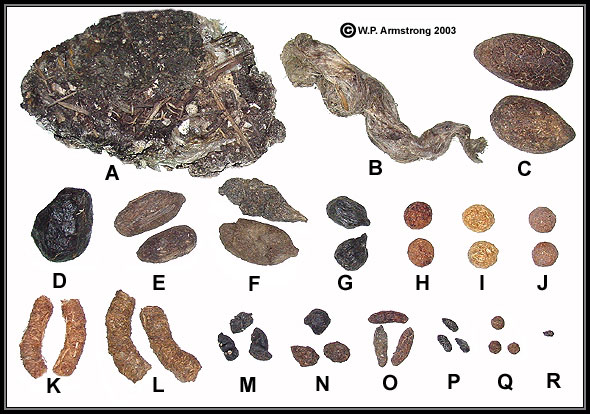
Before reading Who Gives a Poop by Heather Montgomery, enjoy a discussion about this photo:

https://www.waynesword.net/images/scat4b.jpg You’ll have to forgive me. I live with two boys and information about poop is a hit in our house. Oh, and here are the answers in case you’ve never taken a deep dive into poo identification: https://www.waynesword.net/scat.htm

Before Reading Unseen Jungle: The Microbes That Secretly Control Our World by Eleanor Spicer Rice, notice and wonder about these photos: https://telegrafi.com/en/after-seeing-these-pictures%2C-you-won%27t-sleep-without-brushing-your-teeth/amp/ These mysterious pictures may serve the dual purpose of motivating students to read and brush their teeth!

Before reading The Great American Dust Bowl by Don Brown, share dust bowl photos with your students. They will certainly start wondering, “How did this happen?!”

https://infosys.ars.usda.gov/WindErosion/multimedia/dustbowl/dustbowlpics.html

However, you don’t have to limit yourself to phenomena. Sometimes showing students media related to what they are about to read will be enticing. In Total Garbage: A Messy Dive into Trash, Waste, and Our World, Rebecca Donnelly begins by describing a location that is not open to the public: Treasures in the Trash. Conducting a notice and wonder with three photographs of this museum-of-sorts will pique curiosity. And it will certainly provoke deep thoughts about trash when students find out what the images depict.  https://www.mas.org/events/treasures-in-the-trash-group-1/

Plus, there are no photographs in the book, so it is an effective way to demonstrate how conducting research beyond the book can lead to interesting information that enhances the reading experience.

Let’s Discuss Discussions!

If you are used to responding to student ideas with phases like, “Great idea!” or “Hmm…I’m not sure about that one,” I encourage you to take a different approach with phenomena discussions. It is important to facilitate these discussions without judging or favoring specific answers. Your classroom should be a safe space for all students to share their ideas, and you don’t want students to feel that you seek one “correct” answer.

Using Talk Moves, like the following, facilitate open discussion: “Would anyone like to add on to what Angel said?” and “Who has something else they would like to share?” You can find a list of Talk Moves here: https://inquiryproject.terc.edu/shared/pd/Goals_and_Moves.pdf 

If Talk Moves are new to you, don’t be afraid to print the document and keep it by your side as you get used to letting students lead the discussion. And most importantly, don’t answer your students’ wondering questions. Let them read to find out!

Not only does beginning with a phenomenon motivate your students to read, it also provides all students with an equitable experience to build on as they read the text.

So, go ahead, try a phenomenon introduction for your next middle grade read. I think you’ll find it works phenomenally well! (Sorry, I had to!)

STEM Tuesday — Human Body– Book List


Everyone has one, but not everyone understands it: their body, that is!  Listed below are some engaging books that will get readers excited. Filled with hands-on activities, great visuals and fun facts, learning about the body will be a treat!


Human Body Learning Lab: Take an Inside Tour of How Your Anatomy Works

by Dr. Betty Choi 

Learn about the human body with awesome hands-on projects and activities. Shaping bones from salt dough? Creating a moving model of the eye? Setting up a model of the urinary system to see how pee is produced? Yes, please! With loads of colorful diagrams, fantastic fun facts, and easy exercises that kids can use to learn about their own bodies, this engaging book is the perfect addition to any kids library. 


The Fantastic Body: What Makes You Tick and How You Get Sick

by Dr Howard Bennett

This fun anatomy book with fun facts, gross stories and DIY projects that demonstrate body functions, also has tips to make regular checkups less scary


Knowledge Encyclopedia Human Body! (DK Knowledge Encyclopedias)

An encyclopedia like no other. This book explores the human body, and each bodily system, in ways you’ve never considered.  Along with CGI imagery and gorgeous graphics, this encyclopedia reveals the inner workings of our bodies in fantastic detail. Packed with cool facts, interesting illustrations and loads of diagrams – it’ll keep anyone curious happy for hours. 


A Really Short Journey Through the Body

written by Bill Bryson, adapted by Emma Young, Illustrated by Daniel Long, Dawn Cooper, Jesus Sotes and Katie Ponder

Full of facts, history and humor, this illustrated book, adapted from Bill Bryson’s bestselling book The Body, will tell you everything about our body, from the brain to the heart and everything in between.


The Ultimate Kids’ Guide to Being Super Healthy: What You Need To Know About Nutrition, Exercise, Sleep, Hygiene, Stress, Screen Time, and More 

by Dr. Nina L. Shapiro

Embark on a fact-filled journey through the human body. What happens when it gets fed? Exercised? Cleaned? Rested? Read it and find out. This in-depth book gives answers to those pressing questions between kids and parents about how to take care of yourself and why it is important.

The Brainiac’s Book of the Body and Brain

Written by Rosie Cooper, Illustrated by Harriet Russell

Let’s take a look at the human body from head to toe, as well as everything in between! This fun book is full of funky facts and awesome hands-on activities. Learn about optical illusions, keep a poop diary, and find out how and why we dream!  Readers will discover more than they expected about the body and its brain in a zany, humor-filled way. 


Spacecare: A Kid’s Guide to Surviving Space

by Jennifer Swanson

What can you eat in space? What happens if you get a stomach bug? How does microgravity affect the human body? This fascinating book takes a look at the day-to-day experiences of astronauts living aboard the ISS. With questions from kids and answers from actual astronauts, it will answer your questions on how being in space affects the human body.


It’s Perfectly Normal: Changing Bodies, Growing Up, Sex, Gender and Sexual Health

by Robie H. Harris and Michael Emberley

A book for young people who want answers to questions about their bodies, about growing up, and about new, unfamiliar feelings in their tween years.


Puberty is Gross but Also Really Awesome

Written by Gina Loveless, Illustrated by Lauri Johnston

Puberty can be smelly, hairy, sticky, confusing … but awesome! With a lot of jokes and facts, this book gives you the scoop about puberty – with the help of illustrations, scientific studies, research and tips from experts.


The Museum of Odd Body Leftovers: A Tour of Your Useless Parts, Flaws, and other Weird Bits

written by Rachel Poliquin, illustrated by Clayton Hanmer

A funny, wacky book, led by tour guides Wisdom Tooth and Disappearing Kidney, about our vestigial organs: our body parts that were essential to our ancestors but are no longer useful to us.


Shruthi Rao is an author. Her home on the web is https://shruthi-rao.com


Susan Summers is a wildlife enthusiast and an author. Contact her at: https://susan-inez-summers.weebly.com/