


Tracking Pythons : The Quest to Catch an Invasive Predator and Save An Ecosystem by Kate Messner
This book takes readers out on a python patrol where we meet a team of scientist studying the invasive snake. Readers also meet other invaders of the Florida Everglades. There’s technology (radiotracking), python CSI, snake autopsies (called necropsies) and a wonderful series of sidebars highlighting “How to Catch a Python.” Great photos and a Most Wanted invasive species list add interest.

Science Warriors: The Battle Against Invasive Species by Sneed B. Collard
Each of the four chapters focus on scientists studying invasive species. We meet brown tree snakes and zebra mussels, red fire ants taking over Texas, and the Melaleuca (paperbark) tree that was brought to the US and planted to stabilize soil. We see scientists doing field research and working on biological controls for invasive species. Includes a “Guide to Stopping Invasive Species.”

Invaders From Earth Series by Richard Spilsbury
There are six books in the series, highlighting threats from invasive reptiles and amphibians, plants, insects, mammals, birds, and fish and other marine species. Individual spreads detail specific organisms, highlighting how one species native to one area can be an unwelcome invader across the globe. End chapters go into mitigation and things kids can do.

Invasive Species in Infographics by Renae Gilles
Divided into four sections, this book focuses on what invasive species are, the damage they cause, and how to control them. The book models different ways of presenting information visually, using pie charts, bar graphs, timelines, flow charts, and annotated maps

Nature Out of Balance : How Invasive Species Are Changing the Planet by Merrie-Ellen Wilcox.
This book opens with a discussion of what invasives are and how they travel from one place to another. Two chapters look at ecosystems in balance and out of balance, the importance of biodiversity, and how scientists are studying invasive species. The final chapter explores whether – and how – we may want to rethink the word “invasive” and offers ideas for what we can do. Sidebars feature a who’s who list of invasive all-stars, from Asian carp to Zebra mussels.

Alien Invaders: Species That Threaten Our World by Jane Drake & Ann Love
Each examination and image of an invader and their devastating effects worldwide is accompanied by a sidebar listing their alias, size, homeland, method of invasion, and line of attack. Besides the commonly known invaders, such as the starling, rat, and Kudzu, the book examines humans, walking catfish, yellow crazy ants, water hyacinth, mosquitos, and avian flu. Detailed sections on “Who Cares?,” “Volunteers,” and “Lessons Learned” expand the information into actions everyone can take to prevent, control, or help eliminate invaders.

Plants Out of Place (Let’s Explore Science) by Courtney Farrell
First, we learn what native plants are and their role in the food chain. Following chapters discuss introduced plants and how invasive species threaten the balance of ecosystems. Sidebar “mini field guides” include descriptions and range maps for some species of interest. In addition to discussing control methods, the author shows alternative uses, such as using kudzu vines to weave baskets.

Invasive Species (Ecological Disasters) by Lisa J Amstutz
Beginning with the exploration of an ecological plague in Australia – of European rabbits, the book demonstrates the varied effects and subsequent difficulties of eradication of invasive species. Using a conversational voice, photographs, and great sidebars, it examines (1) ways invasive species arrive – introduction (dandelion, goats), hitchhiking (small pox, rats), and escapees (pythons, pets); (2) circumstances that enhance their survival – Island effect, climate change & lack of predators; (3) specific examples or invasive land animals, plants, and fish; (4) the techniques and the cost of elimination and containment; and (5) prevention and citizen efforts. Strong back matter and sources notes round out this book.

What Is The Threat Of Invasive Species? (Sci-Hi: Science Issues) by Eve Hartman And Wendy Meshbesher
After defining invasive species and how they invade an ecosystem, the book evaluates the cost to native species and environments around the world from numerous plants, mammals, fungus, birds, amphibians, insects, and water invaders. It includes a detailed world map of invasive species and their effects. As well as “What Can You Do to Help?” and “Topics to Research” sections.

Animal Invaders (Let’s Explore Science) by Amanda F Doering
Focusing primarily on the US and Hawaii, the book briefly reviews habitats then discusses where invaders come from, the harm they do, and various methods tried to control them. As well as “Did you Know?” sections, this photo illustrated book contains maps, graphs, and diagrams.

Crab Campaign: An Invasive Species Tracker’s Journal by J.A. Watson
Five kids spend a summer in Maryland learning about and tracking the Chinese Mitten Crab. An invasive species that has actually been spotted in the Hudson River. As a Science Squad doing a community science project, the kids raise community awareness, research, track, and document their searches and ultimate discoveries. An engaging informational fiction.
________________________________________________________________________________________________
STEM Tuesday book list prepared by:

Sue Heavenrich writes about science for children and their families, from space to backyard ecology. Bees, flies, squirrel behavior—things she observes in her neighborhood and around her home—inspire her writing. Visit her at www.sueheavenrich.com

Maria Marshall is a children’s author, blogger, and poet passionate about making nature and reading fun for children. She’s been a judge for the Cybils Awards from 2017 to present. And a judge for the #50PreciousWords competition since its inception. Her poems are published in The Best Of Today’s Little Ditty 2017-2018, 2016, and 2014-2015 anthologies. When not writing, critiquing, or reading, she bird watches, travels the world, bakes, and hikes. Visit her at www.mariacmarshall.com


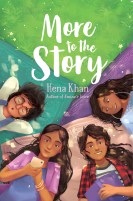 Hena Khan’s
  Mayhem features Indian American protagonist Mimi who uses both culinary skill and magic to solve the mysterious goings-on in her household and town. For the Elizabethan classic, consider an introductory adaptation like this
  Lou Kuenzler’s
  well.
well.